
By Anna Sonnier
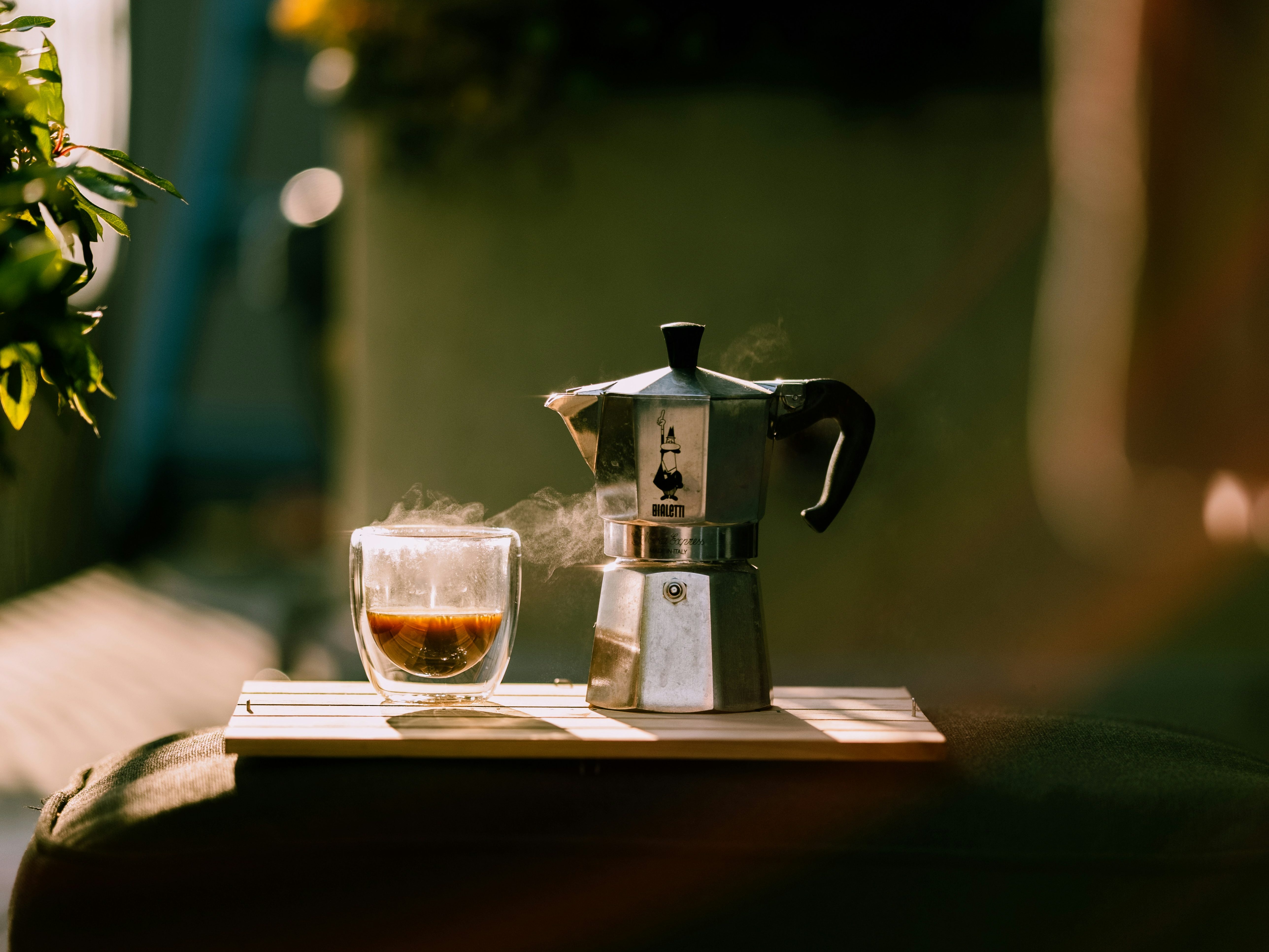
Lafayette’s coffee scene is booming, especially drive-thru chains catering to Gen Z’s love of fast, flavored drinks. Quick service and big sizes are winning young customers who value convenience over craftsmanship. Yet amid the rush for efficiency, a handful of specialty shops are thriving by taking the opposite approach.
Reve Coffee, a local specialty shop owned by Nathanael Johnson, and the newer Tasty Coffee pop-up operated by Ian LaCour inside Wild Child Wines, are proving there’s still room for slow-brewed, high-quality coffee.
The difference between specialty and commercial coffee lies in the type of beans used. Specialty shops typically brew Arabica beans because they produce high-quality, full-bodied coffee with few defects. These beans earn an A grade, determined by the Specialty Coffee Association, and are higher in price. They typically come from specific farms that value sustainability and transparency in their production.
“It needs to be grown at a higher elevation, whereas commercial coffee, like Dunkin and Starbucks, use C-grade coffee, which is what it’s commonly referred to on the market,” says LaCour. C-grade coffee has more defects and is less consistent than Arabica coffee, though it is cheaper, which is essential for large companies such as Folgers, Dunkin, and Dutch Brothers.
LaCour continues, “It’s important for them to serve the vast amount of people that they serve every day, and they can’t do that serving only specialty coffee.”
The science of beans matters, but for Johnson, the heart of specialty coffee is still the people across the counter.
“Coffee is a great equalizer. It’s the greatest bridge of connecting worlds,” he says.
When he opened his first coffee shop, Mosaic, in downtown Eunice, he had a customer that was 92 years old, and Johnson was 21.
“In no world would I have met him and had a conversation with him or played chess with him,” he says. “I think coffee brought us together, and we had great conversations.”
Between those moments of connection and the realities of the market, Johnson sees a distinction emerging in how people engage with coffee.
“I think there’s always going to be a space for a specialty coffee, sit-down concept,” Johnson says. “I don’t know if it’s ever going to match the fast-food convenience of the world.”
Fast-paced coffee shops have their place. Someone will always be in a rush, wanting a drink before they clock in or run errands. But there’s also a steady demand for a slower experience—a place to know the person making their coffee, know where the beans are from, and take time to
enjoy it. Specialty shops offer a spot to study, meet up with a friend, get some work done, or simply linger over a great cup.
Tasty Coffee and Reve Coffee offer exactly that to the Lafayette community.
LaCour’s Tasty Coffee pop-up is typically once a month during the weekend, serving roughly 30 customers on Fridays and up to 50 on Saturdays. He makes classic coffee drinks, pour-overs, matcha, and includes a specialty drink on the menu with house-made syrups prepared at home. Customers pay roughly the same amount for his coffees, but don’t have the option to order a 24-ounce beverage, like they would at Jet Coffee.
Reve Coffee’s menu is similar—classic coffee drinks with syrups made in-house—but built for lingering and conversation rather than speed.
The possibilities of connections made in sit-down coffee shops are endless. Despite the uptick in drive-thru coffee shops, there will always be people who want to step away from their routine and interact with a friendly barista while they wait. As long as customers value connection and quality, there will be a place for specialty coffee shops.
For Lafayette, that means there’s room for both the morning rush and the slow sip. As long as people crave connection over caffeine alone, places like Reve Coffee and Tasty Coffee will keep thriving.
 The Cypress Lake Wire
Leave a comment